As cities evolve and urban spaces undergo transformation, the intersection of urban planning and real estate investment becomes increasingly pivotal. This article explores the potential impact of future urban planning on real estate investments, shedding light on the ways in which forward-thinking development strategies can influence property values and investment opportunities.
Infrastructure Development and Accessibility
Future urban planning often involves strategic infrastructure development. New transportation networks, improved connectivity, and accessibility enhancements can significantly impact the desirability of a location. Real estate investments in areas earmarked for such improvements stand to benefit from increased demand, rising property values, and improved marketability.
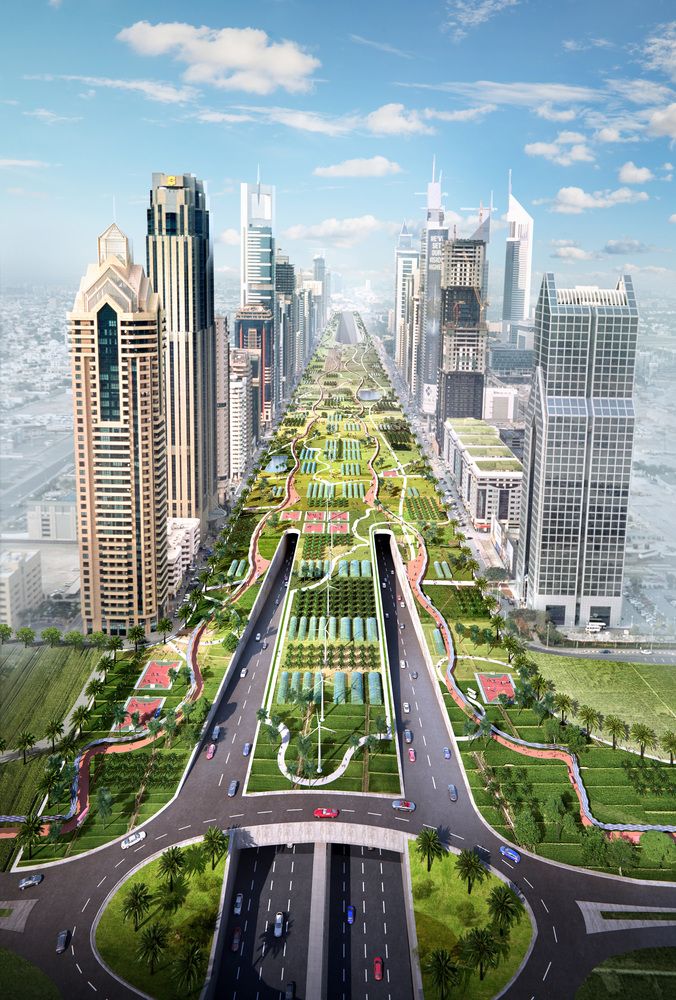 Mixed-Use Zoning and Placemaking
Urban planning trends often emphasize mixed-use zoning, creating vibrant and walkable neighborhoods that blend residential, commercial, and recreational spaces. Investors attuned to these trends can capitalize on the potential for increased property values and tenant demand. Placemaking initiatives that prioritize community spaces and amenities can also enhance the attractiveness of real estate investments.
Sustainable and Green Initiatives
With a global emphasis on sustainability, future urban planning is likely to prioritize eco-friendly and energy-efficient initiatives. Real estate investments aligned with green building standards and sustainable practices may see heightened demand. Additionally, properties in areas with a strong focus on environmental conservation and green spaces could experience increased appeal.
Smart City Integration
The rise of smart city initiatives involves the integration of technology to enhance urban living. Real estate investments in areas adopting smart infrastructure, such as smart grids, IoT-enabled buildings, and efficient public services, may experience heightened demand. The allure of a technologically advanced and connected community can positively impact property values.
Affordable Housing and Inclusive Development
Urban planning strategies that prioritize affordable housing and inclusive development can influence real estate dynamics. Investments in areas with a commitment to housing affordability and community inclusivity may appeal to a broader tenant base, contributing to long-term sustainability and potential appreciation.
Economic Growth and Job Hubs
Urban planning often revolves around the creation of economic hubs and job centers. Real estate investments in proximity to these hubs stand to benefit from increased demand for housing, both for purchase and rental. Job creation and economic growth are powerful catalysts for a flourishing real estate market.
Resilience Planning and Climate Adaptation
As climate concerns become more pronounced, urban planning is increasingly focusing on resilience and climate adaptation. Real estate investments in areas with robust resilience planning, such as flood mitigation and disaster preparedness, may be more resilient to environmental risks, safeguarding long-term property values.
The impact of future urban planning on real estate investments is profound, shaping the desirability, sustainability, and overall appeal of specific locations. Investors who stay attuned to emerging urban development trends, infrastructure projects, and sustainability initiatives can position themselves strategically to capitalize on evolving opportunities, potentially reaping the rewards of foresight in an ever-changing urban landscape.
In Search of the Perfect Property? Try our easy to use FAST property search!
Curious about what's happening in your neighborhood? You can create a custom market report to see what's active, under contract, and sold in your neighborhood!
Considering selling or refinancing your home? Get an INSTANT property valuation now!
Contact us today to find how we can be of assistance to you!


